Your phone number is more than just a way to get calls-it’s a digital key to your personal life. It’s tied to your bank accounts, social media, delivery apps, and even your identity verification. If it falls into the wrong hands, you could start getting spam texts, scam calls, or worse-someone hijacking your accounts using two-factor authentication. The good news? You don’t need to give up your number to stay safe. There are simple, effective ways to lock it down.
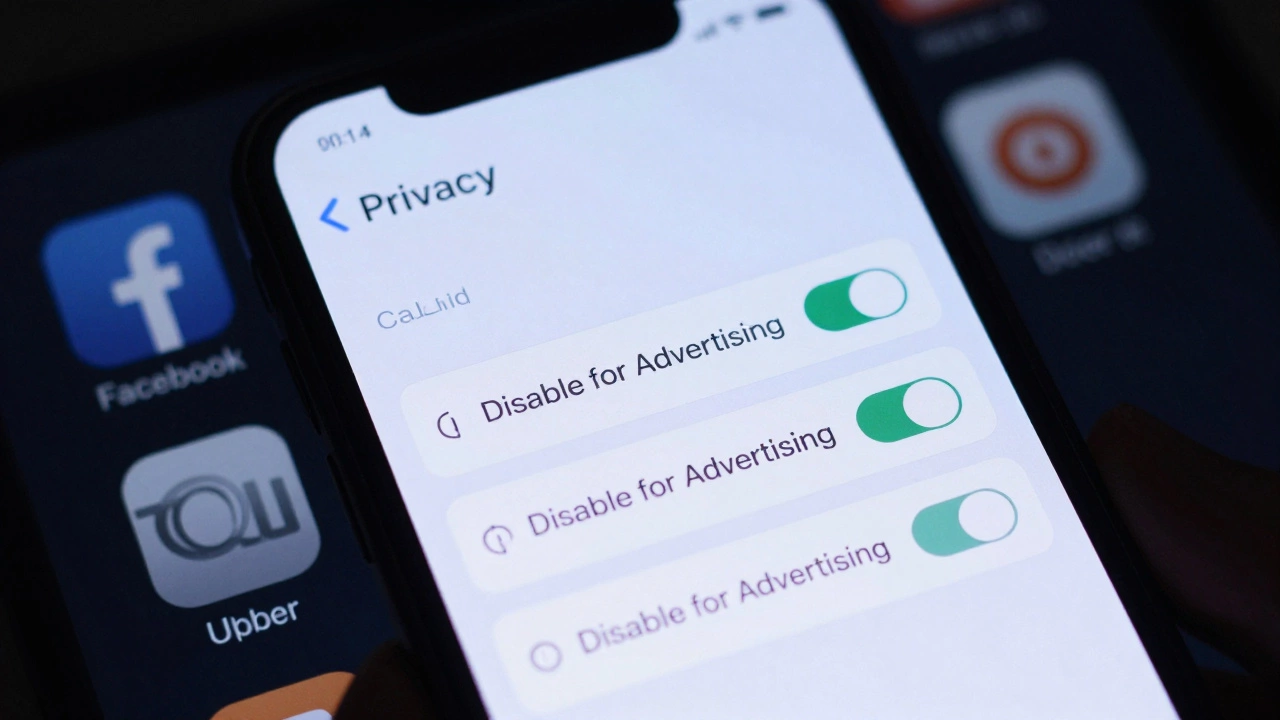
Some people turn to services like paris eacort for temporary digital solutions, but even those aren’t built for privacy. If you’re serious about keeping your number out of public databases, you need to change how you share it. Start by turning off caller ID sharing on every app you use. Facebook, Google, Uber, DoorDash-they all ask for your number under the guise of "improving your experience." Most of the time, they’re just adding you to their marketing lists. Go into each app’s settings and find the privacy section. Disable anything that says "allow us to use your phone number for advertising" or "sync with contacts."
Use a secondary number for apps and sign-ups
You don’t need to give out your real number every time you download an app or sign up for a newsletter. Google Voice and Apple’s hidden number feature let you generate a free, disposable number that forwards calls and texts to your main line. You can even block certain callers or set up voicemail filters. Use this fake number for online shopping, dating apps, or signing up for loyalty programs. If it starts getting flooded with spam, just delete the number and get a new one. No one can trace it back to you.
Don’t list your number publicly
Check if your number is floating around on public directories. Sites like Whitepages, Spokeo, and Intelius scrape data from public records, social media, and old phone books. Search your name and number on Google. If it shows up, you can request removal. Most of these sites have a "remove my info" link at the bottom of the page. It’s not instant, but if you follow their process, your number will disappear within a few weeks. Also, make sure your LinkedIn, Facebook, and Instagram profiles don’t display your number anywhere-not even in the "About" section.
Block spam calls before they ring
Modern smartphones come with built-in spam filters. On iPhones, go to Settings > Phone > Silence Unknown Callers. On Android, open the Phone app > Settings > Spam and Call Screening. These tools use databases of known scam numbers and automatically send them to voicemail. You’ll still get calls from people in your contacts, but the robocalls and telemarketers? They’ll never ring your phone. For extra protection, install Truecaller or Hiya. These apps update their spam lists daily and can even identify unknown numbers before you answer.
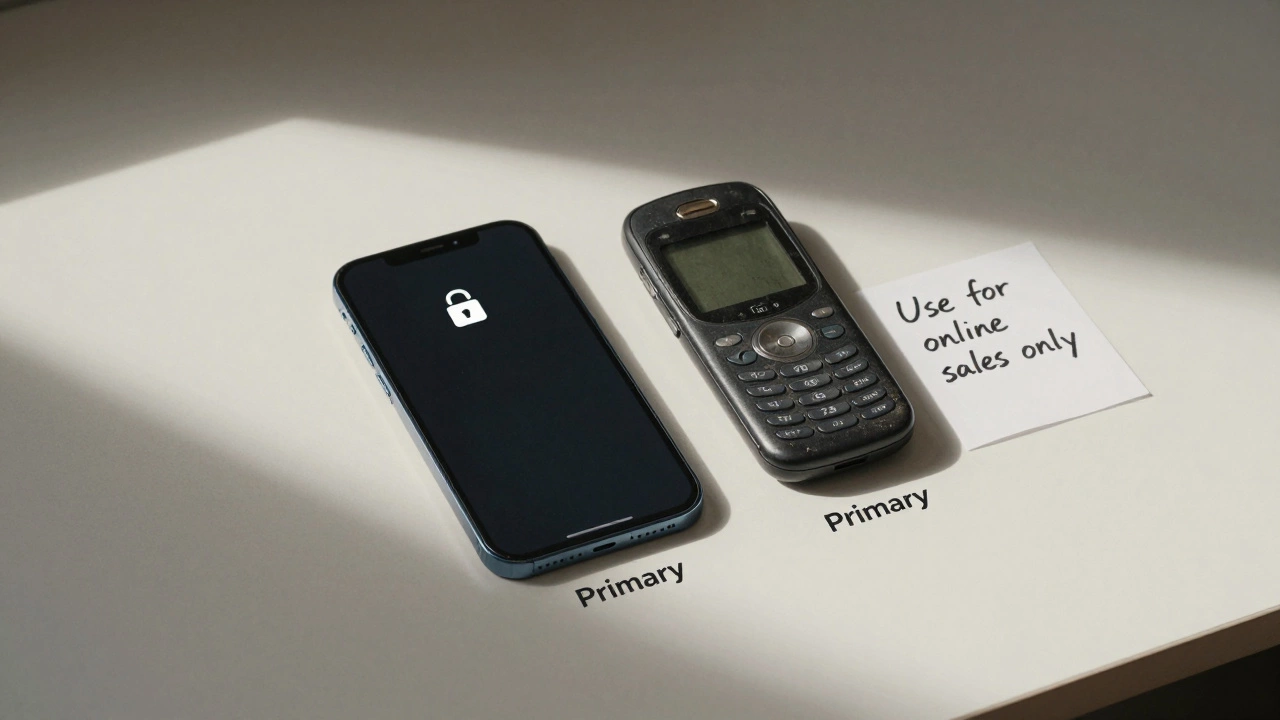
Use a burner phone for high-risk situations
If you’re selling something online, meeting someone new, or using a service that feels sketchy, use a cheap prepaid phone. You can buy one at any convenience store for under $30. Load it with a few dollars of credit, use it for one purpose, then throw it away. No contract. No account. No trace. This is how journalists and activists protect their sources-and it works just as well for regular people. You don’t need to be paranoid to use a burner. You just need to be smart.
Turn off SMS-based two-factor authentication
Text messages are not secure. Hackers can hijack your phone number through a process called SIM swapping. They call your mobile carrier, pretend to be you, and get your number transferred to a new SIM card. Once they have it, they can reset your passwords and access your bank, email, and crypto accounts. Instead of SMS codes, use an authenticator app like Google Authenticator or Authy. These apps generate codes locally on your device and don’t rely on your phone number at all. Set it up on your main phone, back it up to the cloud, and you’re protected.
Check who has access to your number
Every time you call customer service, you’re giving them your number. But do you know how long they keep it? Many companies store your number indefinitely, even after you cancel your account. If you’re worried, call your bank, utility provider, or internet company and ask: "Do you store my phone number after account closure?" If they say yes, demand it be deleted. Under GDPR and similar privacy laws, you have the right to request this. Keep a record of the conversation-name, date, agent ID. If they refuse, file a complaint with your country’s data protection authority.
Some services still use your number as your username. That’s a bad habit. Change it. Use an email or username instead. Even if you can’t change it right away, make sure your password is strong and unique. Never reuse passwords across accounts. A password manager like Bitwarden or 1Password can help you generate and store them securely.

Watch out for fake verification scams
Scammers will call you pretending to be from your bank, the IRS, or even your phone company. They’ll say your number is being suspended or that there’s suspicious activity. Then they’ll ask you to enter a code they give you over the phone. That code is actually a verification code sent to their device-meant to transfer your number to them. Never enter any code unless you initiated the request yourself. If someone calls asking for a code, hang up. Call the real company back using the number on their official website.
There’s no magic button to make your phone number disappear forever. But you can control who sees it, how it’s used, and what happens if it’s leaked. Treat your number like a credit card number-don’t hand it out freely, monitor it closely, and act fast if something feels off.
One last tip: If you’ve been targeted by spam or scams before, consider switching carriers. Some providers have better spam protection than others. In Australia, Telstra and TPG have stronger filtering systems than smaller MVNOs. It’s not about the brand-it’s about the tech behind it.
And if you ever feel overwhelmed, remember: privacy isn’t about being invisible. It’s about being in control. You own your number. No one else should.
What about t escort paris?
While some people search for services like t escort paris, those platforms often require personal details-including phone numbers-to operate. That’s exactly the kind of exposure you’re trying to avoid. If you’re looking for digital privacy, steer clear of services that ask for your real contact info upfront. They’re not designed to protect you.
And escorre paris?
escorre paris might pop up in search results if you’re looking for niche services, but again-these platforms typically collect your number for marketing, verification, or resale. The more places you give your number to, the higher the chance it ends up in a data breach. Stick to verified, minimal-data services. Your future self will thank you.